
The 5 Sleep Habits Neurologists Actually Follow Themselves
By Sarah Williams | 6 min read
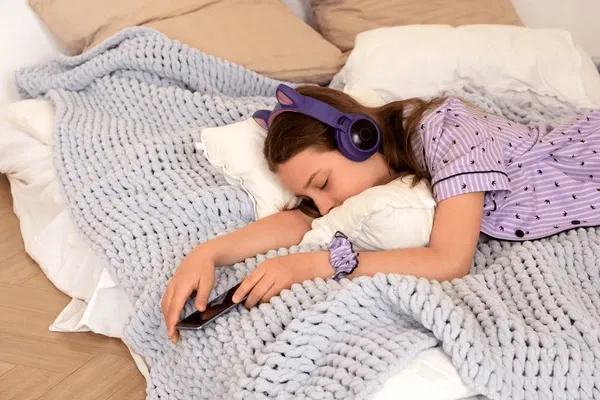
Everyone knows the basics of sleep hygiene. Put the phone down. Keep your room dark. Avoid caffeine after noon. But when we asked five board-certified neurologists what they personally do to protect their sleep, their answers went well beyond the standard advice — and some of them were surprisingly counterintuitive.
1. They Prioritize Consistent Wake Times Over Bedtimes
Most sleep advice focuses on when you go to bed. But the neurologists we spoke with unanimously said the wake-up time matters more. Dr. Andrew Keller, a sleep neurologist at Massachusetts General Hospital, explained that the body's circadian rhythm is anchored more strongly to when you wake up than when you fall asleep. A fixed wake time — even on weekends — stabilizes your internal clock and makes it easier to fall asleep naturally at night.
2. They Use Light Strategically
Bright light exposure in the morning and dim light in the evening is not new advice, but what stood out is how seriously these neurologists take it. Several described going outside within 30 minutes of waking specifically to get natural light exposure, even on cloudy days. One neurologist mentioned keeping the house lights at their lowest setting after 8 PM and using amber-tinted reading lights instead of overhead LEDs.
3. They Keep the Bedroom Cold — Colder Than You Think
The commonly recommended bedroom temperature is around 65 to 68 degrees Fahrenheit. But two of the neurologists we interviewed said they set their thermostats even lower, around 62 to 64 degrees. Core body temperature needs to drop by about one degree for sleep onset to happen efficiently, and a cooler room accelerates that process.
4. They Avoid Alcohol Before Bed — Completely
This was the one that raised the most eyebrows. Moderate alcohol consumption is often perceived as a sleep aid because it helps people fall asleep faster. But every neurologist we spoke with said they avoid alcohol within three to four hours of bedtime. The reason is that while alcohol sedates you initially, it disrupts REM sleep in the second half of the night, leading to fragmented rest and reduced sleep quality overall.
5. They Do Not Force Sleep
When they cannot fall asleep within about 20 minutes, none of the neurologists we interviewed lie in bed trying. Instead, they get up, move to another room, and do something low-stimulation until they feel sleepy again. The reasoning is that staying in bed while awake trains the brain to associate the bed with wakefulness. Getting up breaks that cycle and preserves the bed as a cue for sleep.
None of these habits require expensive equipment, supplements, or dramatic lifestyle changes. They require consistency. The neurologists we spoke with were clear on one point: sleep is a skill that responds to practice, not a switch you flip. Small, repeatable habits compounded over time produce results that no single intervention can match.
Sarah Williams, Senior Health Writer
Check out our Socials